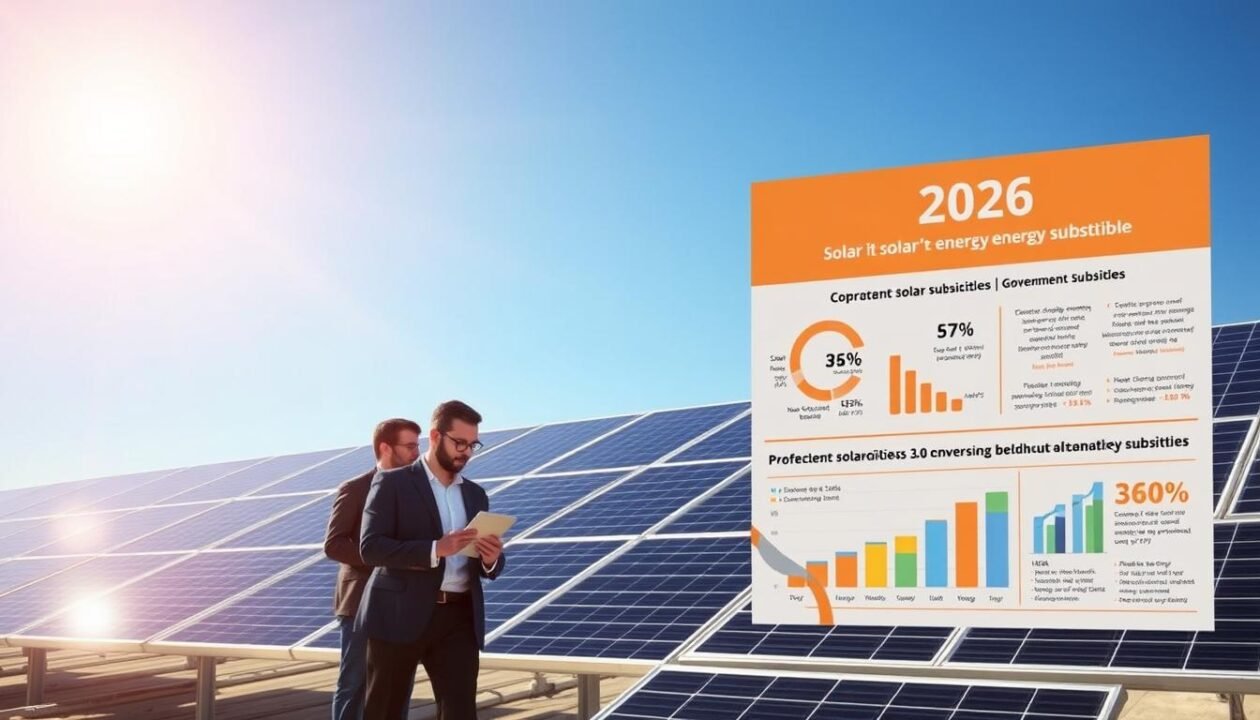
The idea of producing your own electricity at home is becoming increasingly appealing. « Plug and play » solar panels seem like a simple solution to get started. They are presented as easy to install, without major work, and accessible to everyone. But what is the reality? This article explores the concept, advantages, limitations, and practical aspects of these solar kits to help you see more clearly.
Key Takeaways
- « Plug and play » solar panels are photovoltaic kits designed for simple connection to a standard electrical socket, aiming to simplify self-consumption without complex work.
- Their main advantage lies in the ease and speed of installation, making solar energy accessible to renters and those in multi-unit dwellings, with simplified administrative procedures.
- While practical, their production is limited compared to traditional installations, and they are generally not eligible for dedicated financial aid.
- Maintenance is reduced, often limited to occasional cleaning, but you need to consider the floor space they occupy and the possibility of moving them.
- The market is growing rapidly, so it is advisable to compare offers, paying attention to French solutions and integrated production monitoring features.
Understanding the Plug and Play Solar Panel Concept
Definition of a Plug-in Photovoltaic System
A « plug and play » solar panel, sometimes called a « solar station, » is a photovoltaic system designed for very simple installation and use. The main idea is to make solar electricity production accessible to a wide audience, without requiring specific technical skills or major work. It is essentially a ready-to-use kit that plugs directly into a standard 230V electrical socket. The electricity produced then directly powers your home, reducing your electricity consumption from the grid. It’s a way to discover self-consumption without major complications.
Typical Composition of a Plug and Play Kit
A plug and play solar kit generally includes several essential components to function:
- One or more solar panels: These modules capture sunlight to convert it into electricity in the form of direct current.
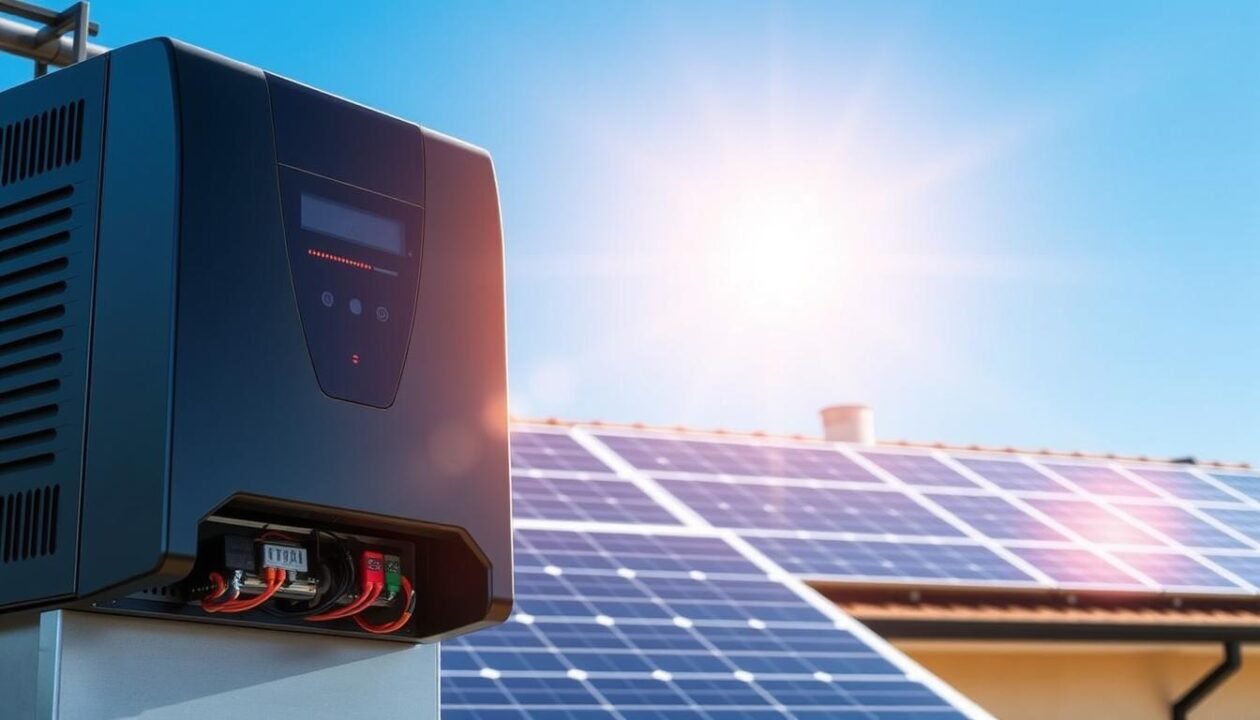
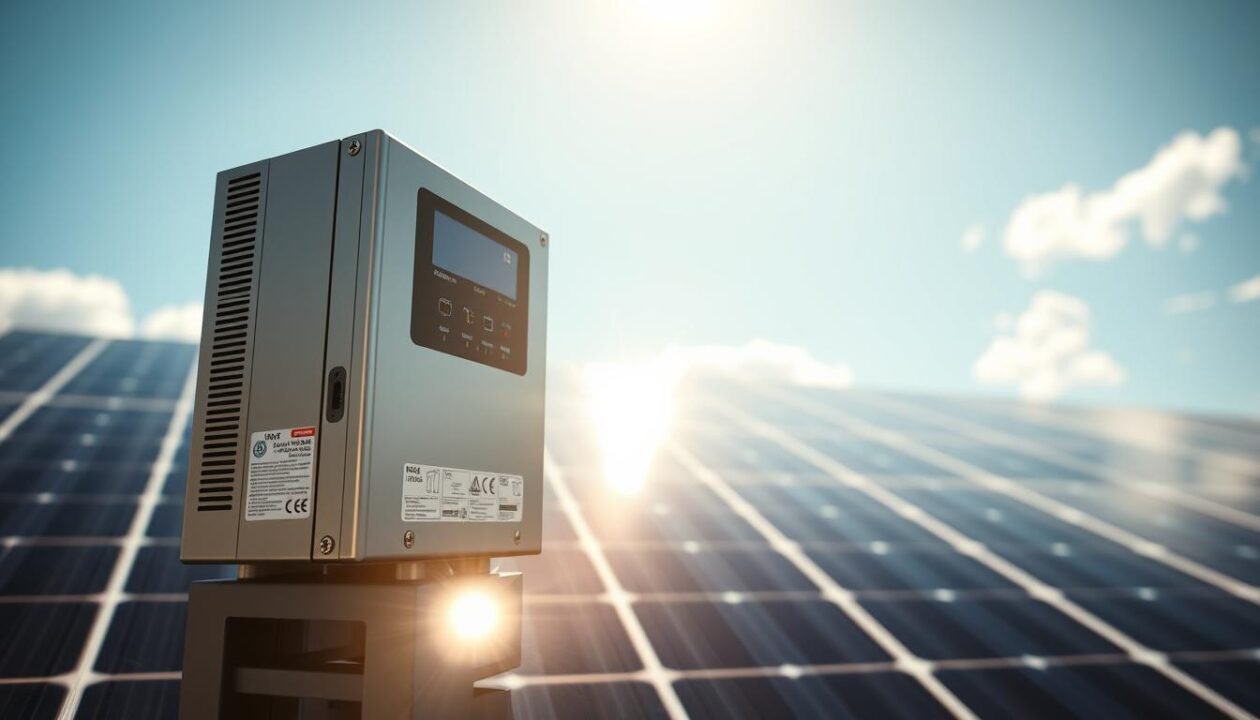
- A micro-inverter: Usually attached to the back of the panel, it converts the direct current produced by the panel into alternating current, compatible with your domestic electrical installation.
- Connection cables: These are used to connect the panel to the micro-inverter and the latter to your electrical socket.
- A mounting system: Depending on the model, this can include supports for ground, balcony, or wall mounting.
- A smart plug (optional): Some kits include a smart plug that allows you to monitor energy production in real-time via a mobile app. This gives you an idea of the amount of electricity you are producing and consuming.
Simplified Administration for Self-Consumption
One of the major attractions of plug and play systems lies in the simplified administrative procedures. Unlike traditional solar installations that require complex authorisations and lengthy paperwork, here, the formalities are greatly simplified. It is generally sufficient to complete a Self-Consumption Agreement (CAC) with Enedis, the electricity distribution network operator. This procedure is a simple declaration of your equipment and does not require prior approval. This allows you to quickly start your self-consumption project. It is important to note that the power of these installations is limited, often to 3 kWp, which contributes to this administrative simplification. For more information on different panel technologies, you can consult photovoltaic technologies.
It is essential to ensure that your domestic electrical installation complies with current standards, particularly regarding the electrical socket and its associated circuit breaker, before plugging in your kit. A 16A socket protected by a 30mA residual current device is generally required.
Distinct Advantages of Plug and Play Solar Installations
So-called « plug and play » solar panels are distinguished by a resolutely simplified approach to solar energy production. They are aimed at those who wish to start self-consuming without the constraints of traditional installations.
Ease and Speed of Installation Without Work
One of the major advantages of these systems is their installation, which requires no particular technical skills or heavy work. It is generally sufficient to take the panel out of its packaging, connect it to a supplied micro-inverter, and then plug it into a standard electrical socket. This simplicity allows for almost immediate commissioning, transforming your home into an energy producer in a few minutes. It is an ideal solution for testing solar production without major commitment. The connection is made directly to a 230V socket, provided that it complies with current electrical standards, particularly protection by a 30 mA residual current device.
Flexibility and Modularity for Easy Adaptation
These solar installations offer great flexibility. They are designed to be modular, allowing you to add extra panels if your needs evolve or if you wish to increase your production, within the limits of regulations (often 3 kWp, or about 6 to 8 panels in total). Furthermore, their portable nature is a significant advantage. If you move, you can take your installation with you, which is particularly valuable for renters or people who move frequently. This portability makes the investment more sustainable in the long term.
Accessibility for Multi-Unit Dwellings and Renters
Plug and play solar panels open the door to self-consumption for a wider audience, especially those living in apartments or in homes where roof installation is impossible or too expensive. Placed on the ground, on a balcony, or fixed to a wall, they adapt to various environments. They thus allow residents of multi-unit dwellings to participate in the energy transition and reduce their electricity bills, without having to obtain the agreement of a co-ownership for work on the facade or roof, although it is always advisable to check the internal regulations. This accessibility democratises renewable energy production. You can find information on potential aid for this type of installation here.
Evaluation of Performance and Profitability
Limited Energy Production Potential
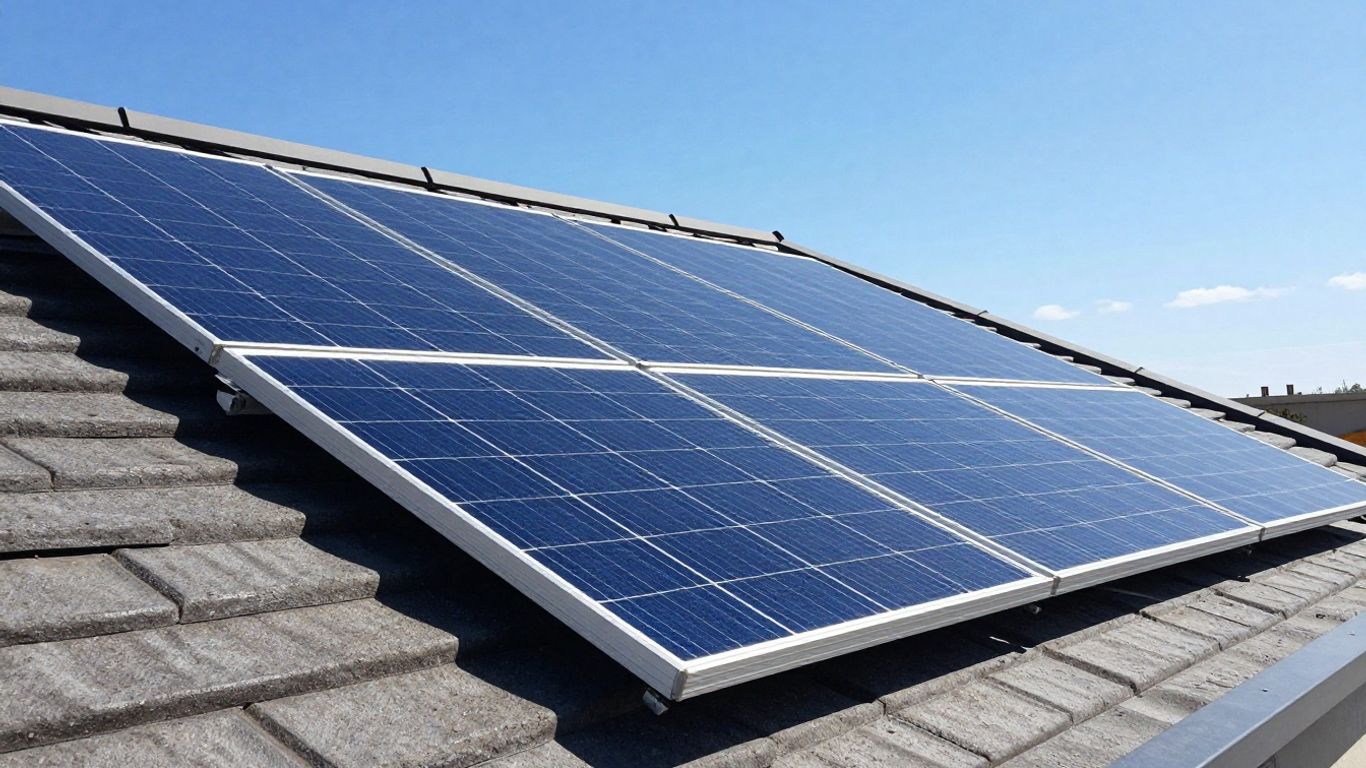
It is important to understand that plug and play solar systems, due to their design and generally lower power, have a limited energy production potential compared to traditional solar installations. These kits are often designed for partial self-consumption and do not aim to cover all your electricity needs. Production will depend heavily on your geographical location, sunshine, and the orientation and tilt of your panels. For example, under ideal conditions, an 800 Wp system could produce around 968 kWh per year, but this figure can vary considerably. It is therefore essential not to overestimate the capacity of these panels to drastically reduce your electricity bill.
Impact on Electricity Bill Savings
The actual impact on your savings will depend on several key factors. The most important is your self-consumption rate, i.e., the amount of electricity you consume at the time the panels produce it. The higher this rate, the more significant your savings will be. If you have significant consumption during the day, the impact will be more pronounced. The price of electricity you pay to your supplier also plays a major role. A conservative estimate suggests that with a good self-consumption rate and an electricity price of €0.25/kWh, an investment of €1260 could be recouped within 5 to 7 years. However, it should be kept in mind that summer production is often higher than winter production, which can influence your annual self-consumption rate. For a more precise view of your production potential, you can consult solar production calculation tools.
Ineligibility for Specific Financial Aid
A major point of attention concerns financial aid. Unlike larger solar installations carried out by professionals, plug and play systems are generally not eligible for state aid schemes, such as guaranteed purchase tariffs for surplus electricity or tax credits. The economic benefit therefore relies mainly on the direct savings made through self-consumption. This means that the profitability of your installation will depend almost exclusively on your ability to consume the energy produced and the evolution of electricity prices on the market. The absence of this aid can extend the payback period of your initial investment, even if the reduced purchase price of these kits partially compensates for this disadvantage.
Practical Aspects and Maintenance of Plug-in Solar Panels
Simplified Maintenance and Rain Cleaning
One of the major attractions of plug and play solar panels is their minimal maintenance. The design of these systems aims to minimise user intervention as much as possible. In most cases, bad weather, particularly rain, is sufficient to keep the panels clean. Accumulated dirt and dust are thus naturally removed, preserving the efficiency of the photovoltaic cells. For more thorough cleaning, for example on the edges which can sometimes become dirty, a simple damp cloth may suffice. This ease of maintenance is particularly appreciated as it avoids complex handling or calling in professionals.
Considerations for Floor Space
Although designed to be practical, these panels occupy a certain amount of floor space. Their installation requires finding a clear location, whether on a balcony, terrace, or in a garden. Therefore, you need to think carefully about where to position them so as not to obstruct circulation or the use of outdoor space. The footprint can become a limiting factor, especially in areas where space is restricted. It is advisable to visualise the necessary space before purchasing to ensure that the installation will be feasible without major constraints. Good installation planning is therefore an essential step for a successful installation.
Portability and Moving of Modules
The concept of portability is often highlighted for plug and play solar panels. Indeed, their simplified connection system makes them easier to move than traditional fixed installations. However, it should be kept in mind that these modules remain relatively heavy and bulky. Moving them requires some care and, ideally, the help of another person. If you plan to move house or change the layout of your outdoor space, this feature can be an advantage. They can be dismantled and reassembled elsewhere, provided they are handled carefully. To facilitate potential future moves, it may be wise to consider an extension cable when purchasing, if the supplier offers one.
The minimal maintenance and the possibility of moving are major advantages, but the weight and space required by this equipment should not be underestimated. A prior assessment of your environment is therefore essential.
Analysis of Offers on the Plug and Play Solar Panel Market
Dynamism and Rapid Evolution of the Sector
The market for so-called « plug and play » solar panels is still young, but it is experiencing very rapid growth. Manufacturers and distributors regularly launch new offers, improving the performance and features of their products. This dynamism means that prices can vary and technologies evolve. It is therefore important to stay informed and not to rush into a purchase. Carefully comparing the different available options is a key step in making the right choice.
Importance of Comparing Different Brands
Given the multitude of offers, rigorous comparison is essential. The criteria to examine include the power of the kit (expressed in Watt-peak, Wp), whether or not it includes a panel manufactured in France, the quality of production monitoring (overall or per panel), the presence of adjustable mounts, the length of the connection cable, the inclusion of ballast for installation, and of course, the warranties offered on the equipment. Prices, often expressed in euros per Watt-peak (€/Wp), are also a determining factor.
Here is a simplified comparison table to illustrate these points:
| Characteristic | Brand A | Brand B | Brand C |
|---|---|---|---|
| Power per kit | 400 Wp | 450 Wp | 420 Wp |
| French panel | No | Yes | No |
| Monitoring | Overall | Per panel | Overall |
| Adjustable mount | Yes | Yes | No |
| Price (€/Wp) | 1.75 | 1.44 | 1.13 |
| Warranty (years) | 10-25 | 20 | 25 |
It is essential not to focus solely on the lowest price. The quality of the components, the reliability of the brand, and the duration of the warranties are factors that impact the long-term profitability of your installation.
Focus on French Solutions and Their Added Value
Some manufacturers highlight the French origin of their panels. Choosing a French solution can offer several advantages. It can mean supporting the local economy and potentially better responsiveness in case of after-sales service needs. Furthermore, French manufacturing standards often signify quality and durability. Although sometimes slightly more expensive, these products can offer additional peace of mind. It is worth considering these options, especially if you are looking for solar panels with good efficiency and local manufacturing.
Optimising the Production of Your Plug and Play Solar Installation
Even though « plug and play » solar panels offer limited production compared to traditional installations, it is entirely possible to make the most of them. A few adjustments and good practices can make a noticeable difference.
Importance of Optimal Orientation and Tilt
Sunshine is the key factor in solar panel production. To maximise the capture of solar rays, the ideal is to orient your panels towards the south. This is the cardinal direction that receives the most sun throughout the day. The tilt also plays a role. In France, an angle between 25 and 35 degrees is generally recommended to capture maximum light, taking into account seasonal variations in the sun’s position. Good orientation and tilt are crucial for your energy yield. To learn more about orientation and tilt.
Maintaining Cleanliness for Increased Efficiency
Dust, leaves, or other debris that accumulate on the surface of photovoltaic panels can reduce their efficiency. A simple film of dirt can decrease the amount of energy produced. It is therefore advisable to keep your panels clean. Often, rain is enough to clean them, but occasional cleaning with clean water and a soft cloth can be beneficial, especially in areas where rain is less frequent or if you notice a drop in performance. A clean panel produces more electricity.
Understanding Production Limitations
It is important to have realistic expectations regarding your installation’s production. « Plug and play » panels are designed for limited maximum power, often around 300 to 420 Wp per panel, with a total limit of 600 watts for the entire system connected to one socket. This means they generally cover the « consumption base » (the basic consumption of your appliances like the refrigerator or internet box), and can help power more energy-intensive devices during optimal sunshine hours. It is possible to add panels, but you must respect the power limits and not mix panels of different wattages. To better visualise your production and consumption, using a smart plug can be very useful to monitor your production in real-time.
Here is an overview of capacities according to the number of panels:
| Number of panels | Nominal power (Wp) | Estimated actual power (W) | Potential use |
|---|---|---|---|
| 1 | 450 | ~340 | Covers the consumption base in sunny weather. |
| 2 | 900 | ~680 | Covers the base even in cloudy weather, and other uses in good weather. Good power/price ratio. |
| 4 | 1800 | ~1350 | Covers the base and a 1000W appliance in sunny weather. Interesting for water heaters or pool pumps. |
It is essential not to oversize your installation beyond regulatory limits and your actual needs. Excessive production that is not self-consumed may not be profitable. It is better to schedule the use of energy-intensive appliances (washing machine, tumble dryer) during peak solar production hours rather than trying to create new needs.
Points of Vigilance and Precautions for Safe Use
Compliance with Electrical Standards and Maximum Power Ratings
The installation of plug and play solar panels, although simplified, must not compromise electrical safety. It is imperative to ensure that your domestic installation complies with standard NF C 15-100. This implies, in particular, that the socket to which the system is connected must be protected by a 30 mA residual current device and must not exceed an intensity of 16 amperes. Generally, such a circuit can accommodate between two and four panels, but you must always check the total power to avoid overloading the network. Never exceed the maximum power allowed per circuit to prevent any risk of fire or malfunction.
Role of the Micro-inverter and its Certification
The micro-inverter is the heart of your plug and play installation. Its main function is to convert the direct current produced by the panels into alternating current usable by your home. More importantly, it incorporates a certified anti-islanding function. This device automatically cuts off electricity production if the public electricity grid fails. This is an essential safety measure to protect technicians working on the grid, but also to prevent any risks in case of a problem. It is therefore crucial to ensure that your micro-inverter has valid certification, often attested by a certificate provided by the manufacturer or seller, and which may be requested during the agreement with Enedis.
Understanding Recent Regulatory Changes
The regulatory framework for solar installations, even the simplest ones like plug and play systems, is constantly evolving. It is your responsibility to stay informed of the latest provisions. For example, changes may occur regarding work declarations, maximum permitted power ratings, or connection procedures. Although these systems are designed for self-consumption without injection into the grid, it is always good to check the specific conditions requested by your electricity distributor. Inquiring with the competent authorities or industry professionals will help you avoid any unpleasant surprises and ensure the compliance of your installation.
Comparison with Traditional Solar Systems
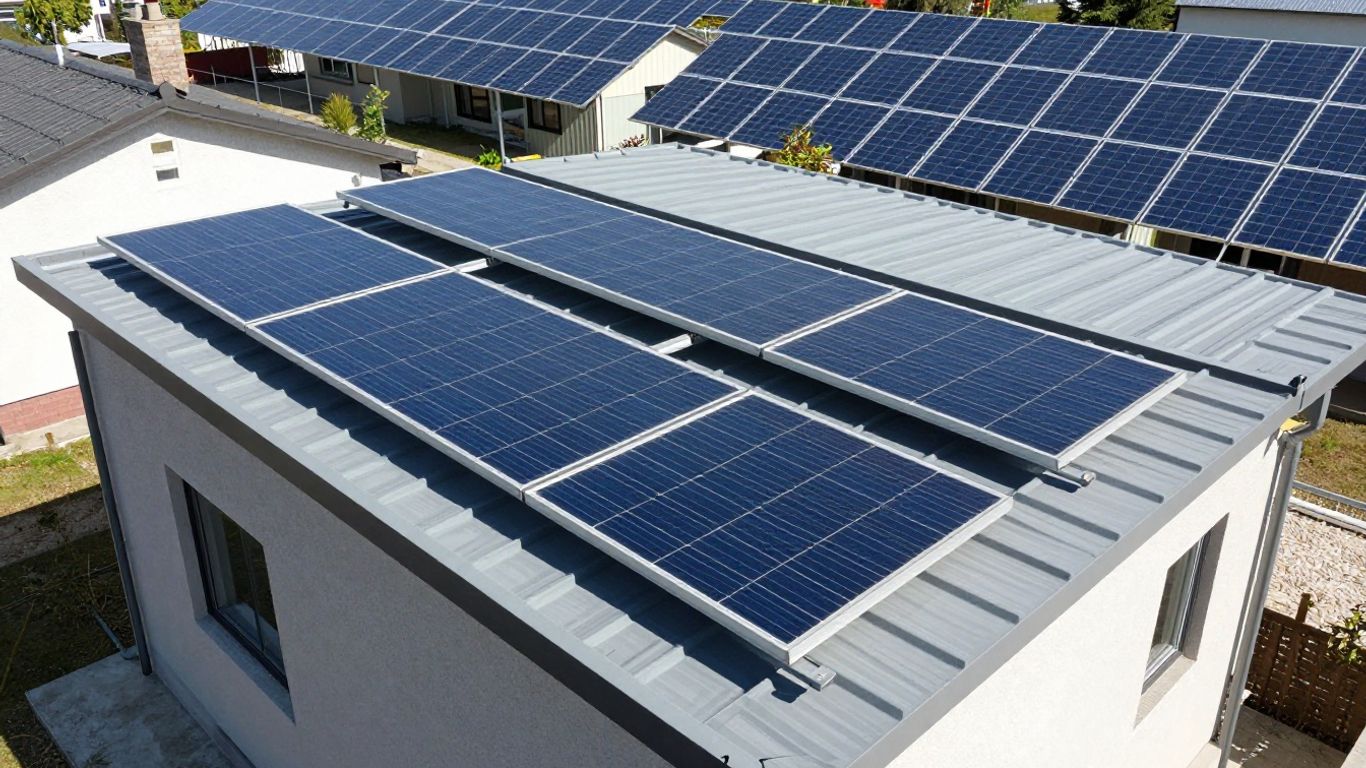
« Plug and play » solar panels are clearly distinct from traditional photovoltaic installations, primarily due to their simplified approach. While conventional systems often require complex professional intervention, involving heavy administrative procedures and sometimes significant installation work, plug-in kits aim for accessibility.
Differences in Installation and Complexity
The installation of a traditional solar system is a matter that generally requires the intervention of a qualified professional. This often includes installing mounting structures on the roof, running complex cables through the house, and connecting to a dedicated electrical panel. Administrative procedures, such as applying for building permits or making declarations to the town hall, may also be necessary, adding a layer of complexity.
In contrast, plug and play solar panels are designed to be installed by the user themselves. Their assembly is often reduced to fixing the panel to a support (balcony, wall, ground) and plugging it into a standard electrical socket, after verifying network compatibility. Simplicity is the watchword, eliminating most of the technical and administrative constraints of conventional installations. This ease of installation is their main selling point.
Initial Cost and Overall Investment
The initial cost of a traditional solar installation is generally higher. This includes the cost of equipment (panels, central inverter, mounting structure, cabling) but also the cost of qualified labour and any administrative fees. The overall investment can therefore represent a significant sum, often amortised over a long period.
Plug and play kits, on the other hand, have a significantly lower acquisition cost. The price generally includes one or two panels, an integrated micro-inverter, and the necessary mounting and connection hardware. The absence of professional installation costs and complex administrative procedures makes the initial investment much more affordable. This allows for a gentler entry into the world of self-consumption, even if the production potential is more limited. To get an idea of prices, it is useful to compare the different offers available on the market for affordable solar kits.
Production Potential and Impact on Bills
Traditional solar systems, due to their larger size and optimised installation (often on rooftops), have a significantly higher energy production potential. They can cover a substantial part, or even all, of a household’s electricity consumption, leading to substantial savings on electricity bills. Furthermore, they are often eligible for financial aid and tariffs for purchasing surplus electricity, further improving their profitability.
Plug and play solar panels have a more limited production potential, generally limited to one or two panels. Their main objective is to cover the « consumption base, » i.e., the basic consumption when you are at home. The impact on the overall bill is therefore less significant than that of a large installation. However, for modest needs or for homes where a large installation is not possible, they represent a profitable solution for reducing your reliance on the grid. It is important to note that these kits are generally not eligible for financial aid dedicated to large solar installations.
The Role of Monitoring and Production Tracking
Features of Smart Plugs and Apps
To know what your solar installation is producing, there are several solutions. The simplest, often included in kits, is a smart plug. You plug it in between your wall socket and the micro-inverter. It allows you to monitor electricity production in real-time, directly from your smartphone or computer. This is useful for getting a general idea, but it stops there. The mobile apps provided by manufacturers go a bit further. They allow you to view production history, see instantaneous power, and sometimes even receive alerts. It’s a good start for understanding how your system works day-to-day.
Advantages of Overall or Per-Panel Monitoring
More advanced monitoring, which tracks the production of each panel individually, offers significant advantages. If a panel has an issue, such as temporary shading or a defect, you see it immediately. This helps diagnose problems faster and maintain optimal performance. Furthermore, some systems allow you to track production hour by hour, which is useful for adjusting your consumption and maximising self-consumption. This granularity in tracking is key to truly getting the most out of your installation. Knowing when your system produces the most helps you plan the use of your energy-intensive appliances.
Comparison of Proposed Monitoring Solutions
Monitoring solutions vary greatly in terms of features and cost. Basic smart plugs are often free with the kit but are limited. Manufacturer apps are generally included, but their interface may be more or less intuitive. For more in-depth analysis, some systems offer dedicated monitoring boxes, which are more expensive but provide a more complete view and more precise data. It is important to choose a solution that meets your needs and budget. Good monitoring can significantly increase your self-consumption rate, saving you more on your electricity bills. Remember to check compatibility with your installation and ease of use before making your choice. The goal is to make monitoring as simple and effective as possible to help you optimise your solar production. Tracking your production can save you money each year.
Effective monitoring not only allows you to check the proper functioning of your installation but also to adapt your consumption habits to maximise savings. It is a valuable tool for understanding and optimising the energy you produce yourself.
In Summary: Plug-and-Play Solar Panels, a Solution to Get Started
In conclusion, plug and play solar panels represent an interesting entry point into the world of self-consumption. Their main advantage lies in their ease of installation and their more affordable initial cost compared to traditional systems. They allow you to take your first steps in solar energy production without embarking on complex work or heavy administrative procedures. However, it is important to keep their limitations in mind, particularly in terms of electricity production and the floor space they occupy. For those looking for a simple solution to reduce a portion of their consumption, they can be perfectly suitable. But if you are aiming for greater energy independence, other options might be more appropriate.
Frequently Asked Questions
What is a plug and play solar panel?
A « plug and play » solar panel is like a small electrical appliance that you plug directly into a normal power socket at home. It’s already ready to use, with everything inside it to transform sunlight into electricity that you can use straight away. It’s super simple, no need to be a DIY expert!
Can I install these panels myself?
Absolutely! The main idea behind these panels is precisely that they are easy to install. You don’t need to do any major work. Generally, you just need to fix them in a sunny spot and plug them in. It’s much simpler than a traditional roof installation.
What are the advantages compared to classic solar panels?
The big advantage is the simplicity and speed of installation. No need to call a professional for major work. Plus, they are often smaller and can be installed on a balcony or on the ground, which is perfect for those living in apartments or who don’t want to touch their roof. They are also easier to move if you move house.
Will it save me a lot of money?
It helps you save money, yes, especially on the « consumption base, » which is the electricity you use even when you’re not running large appliances. But be careful, as these panels are smaller, they don’t produce as much electricity as a large roof installation. The savings will therefore be more modest.
Do I need to do any administrative procedures?
Yes, you still need to do a small procedure. It’s a declaration to be made to Enedis (the electricity network operator) to inform them that you are installing this system. It’s a simplified process, much less complicated than for large installations.
How do I know how much electricity my panel is producing?
Most kits come with a special little plug or an app on your phone. This allows you to see in real-time how much electricity your panel is producing and how much you are using. It’s like a little dashboard for your solar energy!
Can I add more panels later if I want more?
Yes, it’s often possible to expand your installation by adding more panels, but there’s a limit that must not be exceeded per socket or per circuit. It’s often simpler to plan what you need from the start to make it more profitable.
What precautions should I take to ensure it works well and safely?
You need to make sure the spot where you put them is well-sunlit and that the panels are clean. You also need to follow the connection rules, such as ensuring your socket is suitable and protected. Manufacturers provide clear instructions to ensure safety.