In a world where solar energy is gaining traction, the beem solar panel presents itself as an accessible and simple solution for those looking to reduce their electricity bills. This article aims to demystify the operation and installation of this system, explaining each step for a thorough understanding. Whether you are a tenant or an owner, discover how the beem solar panel can easily integrate into your daily life.
Key Takeaways
- The beem solar panel stands out for its customisable design and human-scale approach, making solar energy more accessible.
- Its installation is designed to be quick and does not require specific technical skills, with kits adaptable for ground or wall mounting.
- The included micro-inverter is simple to install and ensures the conversion of solar energy into usable electricity for the home.
- The fixing system and electrical connection are designed for easy and safe implementation, even without expertise.
- The beem mobile app offers intuitive monitoring of energy production, allowing for optimisation of self-consumption and understanding the impact of the consumption base load.
Understanding the beem solar panel concept
The unique design of beem panels
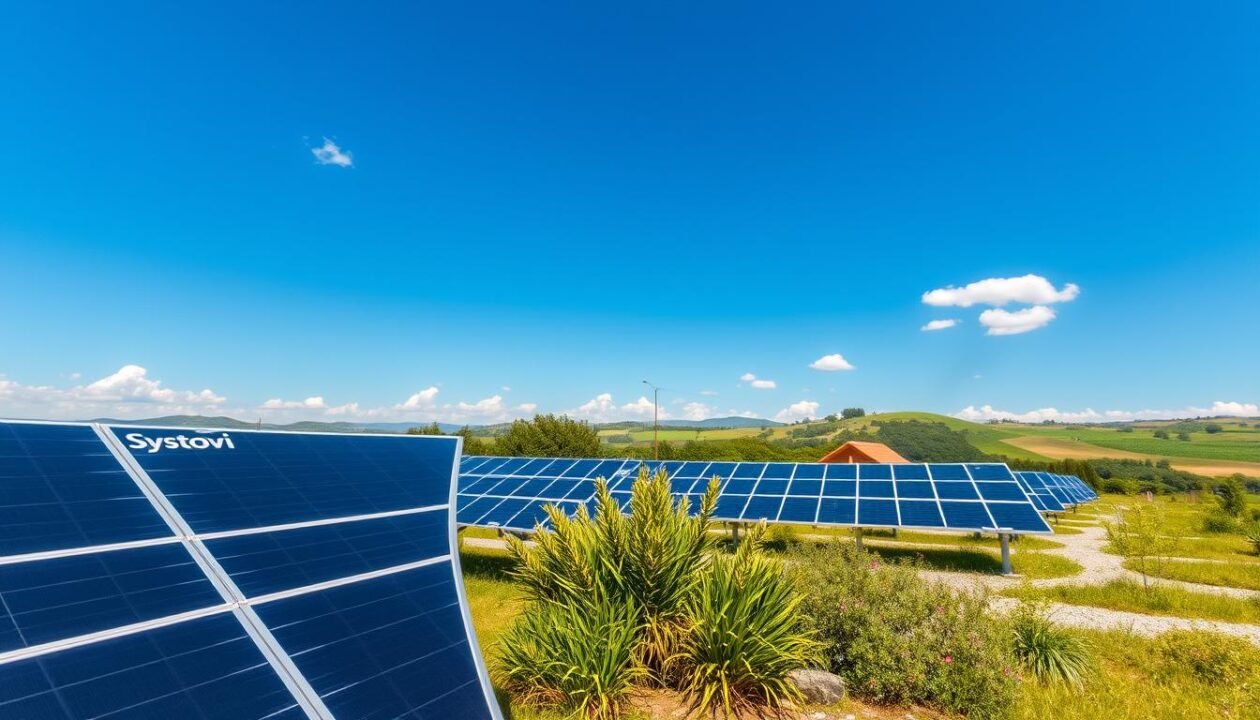
Beem solar panels immediately stand out for their aesthetics. Beyond classic models, the brand offers a floral design option, designed to integrate harmoniously into your environment. This visual approach, which in no way sacrifices energy efficiency, marks a break from the often imposing appearance of traditional solar installations. The goal is to make solar energy more discreet and more pleasant to look at.
A human-scale approach to solar energy
Unlike the large installations seen on roofs, the Beem kit is designed to be accessible and easy to handle. Each panel measures 70×70 cm and weighs only 5 kg. This size
Simplified installation of the beem solar panel
Quick implementation without expertise
One of the major advantages of the beem solar kit lies in its design, which is intended for easy installation, even without being a solar energy professional. Forget long days of complex work; the beem system is designed to be set up quickly. For the ground-mounted version, it only takes a few minutes to assemble the panels and connect them. It’s an ideal solution, even if you are a tenant, as it requires no permanent modifications to your home. The goal is to make solar energy accessible to everyone, without technical barriers.
Tools needed for successful installation
Simplicity is key. For ground installation, no specific tools are required. If you opt for wall or roof mounting, a drill and a spirit level may be useful to ensure stable and secure installation. Beem provides paper templates that greatly facilitate the positioning of the panels and the marking of drilling points. These details show that every step has been considered to minimise difficulty.
Adapting the installation to your environment
The beem kit offers valuable flexibility in terms of installation. Whether for ground mounting, wall mounting, or even roof mounting, the system adapts. The supports are designed to be robust and secure, regardless of the chosen configuration. It is important to choose the location carefully to optimise production, but the installation method itself remains accessible. For more complex configurations, it is always possible to consult guides on different solar technologies to better understand the specifics of each type of installation.
The essential role of the beem inverter
Micro-inverter operation
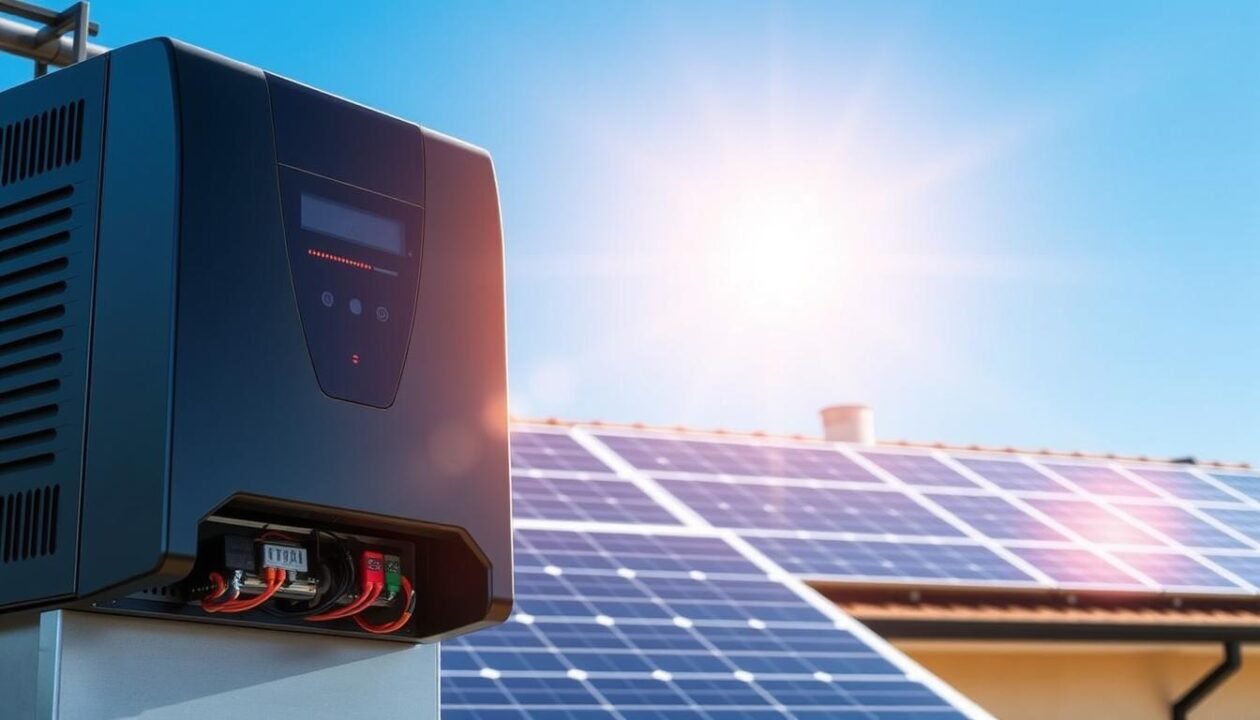
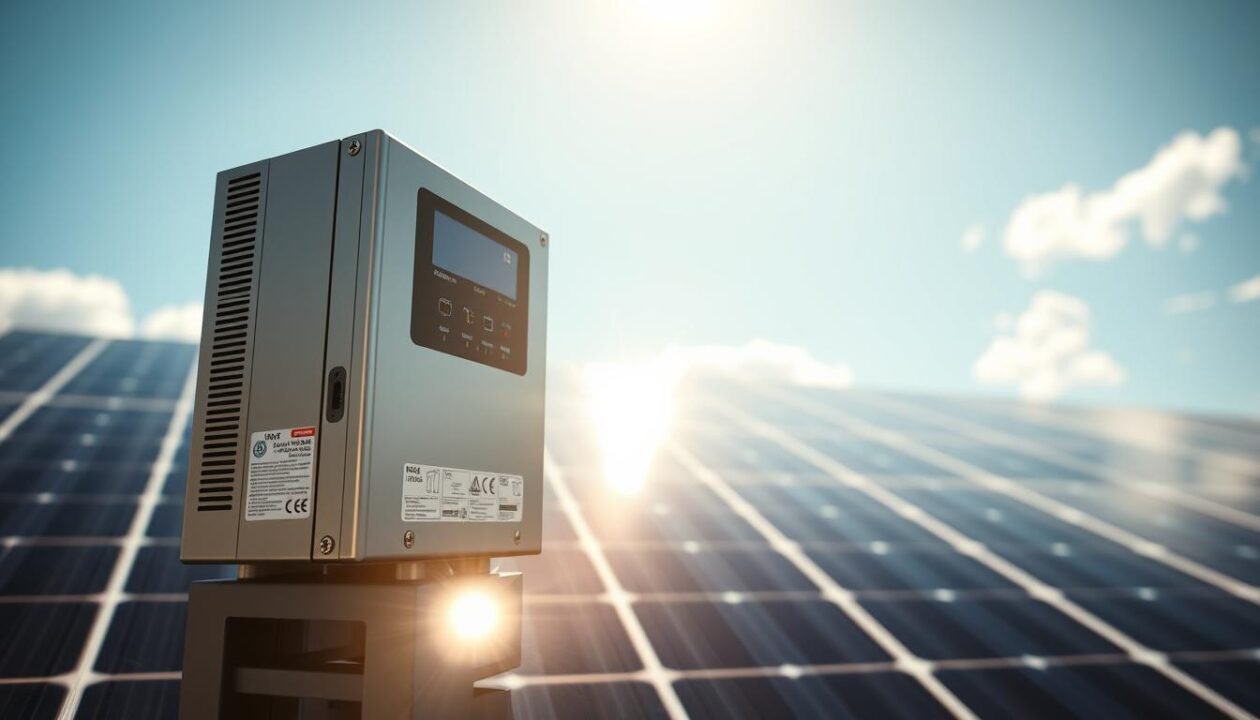
At the heart of every beem solar kit is a discreet but vital component: the micro-inverter. Its main mission is to transform the direct current (DC) produced by the solar panels into alternating current (AC), the type of electricity your home uses daily. Without it, the energy captured by your panels would remain unusable for your household appliances. It’s like the translator for solar energy.
Easy inverter installation
The installation of this micro-inverter is designed to be particularly simple. It is usually fixed using a mounting plate and a few wing nuts, often requiring no specific tools. This ease of installation greatly contributes to the overall quick installation of the beem system. It is often recommended to install it before permanently fixing the panels to facilitate access.
Conversion of produced energy
Once the solar panels are installed and connected, the micro-inverter takes over. It receives the raw electricity from the panels and converts it. Each panel can have its own micro-inverter, allowing for individual optimisation of production. If a panel is partially shaded, for example, it will not affect the production of other panels as much as it would with a centralised inverter. This conversion is a key step for solar energy to power your appliances.
- Transformation of direct current into alternating current.
- Panel-by-panel production optimisation.
- Adaptation of energy for the domestic grid.
The micro-inverter is the brain of energy conversion in your beem solar installation. Its intelligent design allows for fine-tuning of the electricity produced by each panel, making the system more resilient and efficient against variations in sunlight. It is an element that makes all the difference for successful self-consumption.
Setting up and connecting beem panels
Once you have chosen the ideal location for your beem solar panels, the next step is to physically install them and connect them to your home’s electrical system. This phase is designed to be as simple as possible, even for those with no prior DIY experience.
The panel fixing system
The installation of beem panels relies on an ingenious fixing system. For mounting on a wooden structure or a roof, specific supports are used. These supports securely anchor the panels, taking into account the desired tilt to optimise solar capture. Paper templates are often provided to facilitate marking drilling points and ensure correct spacing between panels. The safety and stability of the entire system are paramount, and the beem fixing system has been designed to meet these requirements without excessive complication.
Simplified electrical connection
The electrical connection is another key step, but it has been greatly simplified by beem. The panels are designed to connect to each other intuitively. Simply position the panels and connect them. The goal is to make this step accessible, much like plugging in household appliances. For those who wish to delve deeper into electrical connections, there are guides explaining how to connect a battery to a solar panel for a functional photovoltaic installation.
Securing the installation
The final part of the setup involves securing the installation. Once the panels are fixed and the electrical connections are made, it is necessary to lock the fixing elements, particularly the lower part of the panels, to ensure they remain firmly in place, regardless of weather conditions. This step guarantees the longevity and reliability of your solar installation. If you have any doubts about the location or fixing, do not hesitate to seek advice from the beem team.
Optimising production with the beem solar panel
To get the most out of your solar installation, it is important to carefully consider its location and orientation. It’s not just a matter of placing the panels anywhere; there are tips to ensure you produce as much electricity as possible.
The importance of solar exposure
Solar energy, as its name suggests, depends directly on sunlight. This is the most determining factor for the amount of electricity your panels can generate. Therefore, you must carefully observe the location where you plan to install your beem kit. Are there trees that could cast shade? Does the edge of your roof cast a shadow at certain times of the day? Even a small shadow covering only part of the panel can have a significant impact on overall production. Production forecasts are generally made assuming ideal sunlight, without any shade.
Choosing the right orientation for your panels
The ideal orientation to maximise electricity production over the year is generally due south. However, an East or West orientation is still perfectly viable and can even be interesting to better match production with your daily needs. It should be noted that an East or West orientation can generate about 80% of the production of a south-facing installation. It is imperative that all panels face the same direction, as the performance of the entire system is limited by the least well-exposed panel.
The impact of tilt on yield
The tilt of the panels also plays a role in the amount of light they capture. Beem kits are designed with a tilt optimised for annual production, taking into account seasons and latitude. The important thing is to maintain a uniform tilt on all panels for stable production. Modifying this original tilt can sometimes complicate installation and potentially affect the durability or safety of your system. Standardised tilt simplifies installation and reduces maintenance needs.
The efficiency of a solar panel can be compared to a hydraulic circuit. Imagine each cell as a small tap. If one cell receives less light, it closes a little, reducing the water flow for the entire circuit. Thus, even if the other cells are well exposed, they cannot produce at their full potential. This is why orientation, tilt, and the absence of shade are so important for optimal solar production.
Managing shade and its impact on yield
Shade, the enemy of solar efficiency
Shade is arguably the most detrimental factor for solar panel production. It is important to understand that each cell in a panel functions a bit like a link in a chain. If a single cell is less illuminated, it slows down the entire circuit. This means that even if the rest of the panel receives excellent sunlight, the overall production will be limited by this less efficient cell. It is therefore essential to anticipate and minimise any source of shade.
Practical tips to avoid shading
To optimise the production of your Beem kit, here are a few points to observe carefully:
- Preliminary observation: Before any installation, take the time to observe the chosen location at different times of the day. Identify elements that could cast a shadow: trees, chimneys, neighbouring buildings, or even elements of your own roof.
- Spacing: If you are installing multiple panels, ensure there is enough space between them to prevent upper panels from shading lower ones. A spacing of at least one metre between rows is often recommended for ground installations.
- Orientation and tilt: Although these aspects are covered in more detail elsewhere, correct orientation and tilt also help reduce the impact of certain passing shadows. Good orientation allows for maximum sunlight capture over time.
The impact of shade, even partial, can be significantly greater than one might think. It is therefore essential to conduct a thorough analysis of the environment before permanently fixing your panels. A shading study, even a simplified one, can increase your production in the long term.
Consequences of partial exposure
Partial exposure due to shade has a direct consequence: a reduction in the total power produced by the panel, and by extension, by the entire kit. If shade is not managed, annual production can be much lower than forecast. It is therefore important to choose your location carefully to maximise yield. For a more precise view of sunlight and potential shadows, tools like PVGIS can be useful for simulating production.
Understanding consumption base load with beem
Definition of consumption base load
The « consumption base load » is the basic electrical consumption that persists in your home, even when you are not there or are asleep. Think of the refrigerator, the internet box, standby devices, or even the water heater that turns on at night. These elements consume electricity continuously, forming an energy floor. This level of consumption, often below 300W, represents a significant portion of your annual electricity bill. Understanding this base load is the first step to optimising your consumption.
How the beem solar panel eliminates it
The beem solar kit is specifically designed to tackle this consumption base load. By producing up to 300W peak, it aims to offset this constant energy expenditure. The idea is not to become completely independent of the grid, but to actively reduce this basic consumption. When the sun shines, the energy produced by your beem panels is directly used by your operating appliances, thus reducing the amount of electricity you need to buy from your supplier. It’s a smart way to make your consumption greener and more economical.
Sizing your kit according to your needs
To get the most out of your beem installation, it is important to accurately assess your consumption base load. If your basic consumption is less than 300W, a single kit could be enough to eliminate it. However, if your base load is higher, it may be wise to consider adding more panels. However, you must remain vigilant: producing more than your household consumes at a given moment means the excess is fed back into the grid. A good estimate allows you to adapt the number of kits to your actual needs and optimise your self-consumption.
Here’s an idea of what the consumption base load represents:
| Appliance | Average Consumption (W) |
|---|---|
| Refrigerator | 10 – 20 |
| Internet Box | 5 – 15 |
| TV/Box Standby | 2 – 5 |
| USB Chargers | 1 – 3 |
| Water Heater (standby) | 10 – 30 |
It is important to note that the production of beem solar panels is directly consumed. There is no integrated storage system. The energy produced is therefore used immediately by your appliances. If production exceeds instantaneous consumption, the excess is fed into the public grid. This means that energy not consumed by your household can benefit your neighbours.
The main objective of the beem kit is to reduce your electricity bill by offsetting your home’s basic consumption. It is a supplementary, simple, and accessible solution that easily integrates with your existing installation.
Coupling multiple kits for increased production

While a single beem solar panel already allows you to reduce your electricity bill by offsetting part of your basic consumption, it is entirely possible to increase this production. The idea is simple: add more panels to generate more electricity. This becomes particularly relevant if your basic consumption, what is known as the consumption base load, is higher than the capacity of a single kit.
Increasing power with multiple panels
The beem system is designed to be modular. You can connect up to three kits together, which equates to a total of twelve solar panels. This configuration can reach a maximum power of 900W peak. Of course, this maximum power is only reached on the sunniest days. However, even on less ideal days, such a setup can easily exceed 600W of production.
Adapting the number of kits to your consumption
It is important not to oversize your installation. If your consumption base load is, for example, 500W, and two kits (i.e., 8 panels) are sufficient to cover it, adding a third kit could mean you feed a significant amount of electricity into the public grid. Although this contributes to reducing your overall bill, you need to weigh the benefit of producing more than you directly consume. The main objective remains self-consumption.
Optimising self-consumption
The addition of panels should therefore be considered based on your actual needs. For example, if you have a swimming pool pump that consumes a lot, adding an extra kit could be an excellent idea to specifically cover this consumption. This allows for maximum use of solar energy produced directly at your home. The installation remains simple, as each kit plugs into a standard electrical socket, making extending the system as easy as the initial installation [9bef].
It is essential to thoroughly analyse your consumption profile before deciding to add more panels. A personalised study will help you choose the optimal number of kits for your situation, in order to maximise your savings without unnecessary overproduction.
Maintenance and cleaning of the beem solar panel
Tips for self-cleaning
To maintain optimal energy production, regular maintenance of your beem solar panels is recommended. If your panels are easily accessible, you can clean them yourself. The goal is to remove dust, leaves, or other debris that may accumulate and reduce efficiency. It is important not to damage the surface of the panels during this operation.
Recommended products and methods
For safe cleaning, use lukewarm water. Avoid harsh detergents that could damage the coating of your panels. A telescopic broom with a soft brush or a squeegee are perfectly suitable tools. If you use a cloth, make sure it is soft and non-abrasive to avoid scratching the surface.
Here is a simple method for effective cleaning:
- Use lukewarm water to wet the panel surface.
- Gently scrub with a soft brush or cloth to loosen dirt.
- Rinse thoroughly with clean water to remove any residue.
- Allow to air dry.
It is advisable to perform this operation early in the morning or late in the day to avoid thermal shock, which could temporarily affect panel performance.
Preserving panel efficiency
Regular maintenance ensures the longevity and performance of your solar installation. Clean panels capture more sunlight, resulting in more stable energy production. Remember to check the general condition of your panels and their fixings during each cleaning. For safety reasons and to ensure the quality of the work, it is sometimes preferable to call on a professional, especially for installations at height or on complex roofs. The micro-inverters, which convert direct current to alternating current, also require attention, although they are designed to be very reliable. Monitoring via the beem app will help you detect any abnormal drop in performance that may require intervention. Don’t forget that well-maintained panels contribute to better self-consumption.
The efficiency of your solar panels depends directly on their cleanliness. An accumulation of dust or dirt can block part of the sunlight, thus reducing the amount of electricity produced. Simple and regular cleaning is therefore a key step to maximising your installation’s yield.
The beem mobile app for intuitive monitoring
Once your beem solar kit is installed, the next step to get the most out of it is to familiarise yourself with its mobile application. It’s your personal dashboard for solar energy.
Simplified setup and connection
Setting up the app and connecting it to your kit is designed to be as simple as physically installing the panels. After downloading the app, you will need to scan a QR code on your Beembox. This code allows the app to identify your equipment. Then, you will be asked to select the number of panels you have deployed. Connecting to your home’s Wi-Fi network is also a key step, as this is how production data is transmitted. If your Wi-Fi signal is weak where your Beembox is located, it may be wise to consider a solution to strengthen your network, such as a Wi-Fi Mesh system.
Real-time production monitoring
One of the most rewarding aspects of the beem app is the ability to monitor your solar energy production in real time. You can see the amount of electricity your panels are generating at any given moment. The app goes further by allowing you to view your production history, whether on a daily or monthly basis. This gives you a clear picture of your savings and the performance of your installation over time. It’s a tangible way to see the impact of your ecological and economic efforts.
App features and benefits
The beem app doesn’t just show numbers; it aims to help you better understand your consumption and production. It can correlate your solar production with the consumption of different household appliances, helping you identify the times when you consume the most and when your production is most effective. An interesting feature is the map of France that aggregates the production of all beem users, creating a kind of virtual community of solar energy production. Although the app is already very powerful, the beem team is working on future improvements, including integration with more advanced home automation systems, which could allow for even finer management of your energy. For now, it already offers an excellent way to track your solar production.
The beem mobile app is a powerful tool that transforms monitoring your solar installation from a complex task into a simple and engaging experience. It gives you the keys to understand and optimise your renewable energy production on a daily basis.
Future developments and connectivity of the beem kit
Towards advanced home automation integration
The Beem team shows a real desire to adapt its system to the technologies of tomorrow. Currently, the mobile app allows for individual monitoring of your solar production. However, the long-term vision includes deeper integration into the connected home ecosystem. The goal is to make the beem solar panel a central element of your domestic energy management, not just a sporadic addition. Discussions are underway to develop an open API. This would allow, for example, to connect your kit to platforms like Home Assistant. Imagine being able to view your panels’ production alongside your other connected devices, or even automate certain actions based on your solar production.
Expected app improvements
The beem mobile app is already a strong point, recognised for its simplicity and efficiency. But continuous improvement is at the heart of Beem’s strategy. User feedback is taken into account to refine the experience. We can expect to see new features appear in the coming months. This could include more detailed production analyses, more in-depth comparisons with household appliance consumption, or personalised alerts. The idea is to provide ever more relevant data to help you optimise your self-consumption.
System extension potential
The beem kit is designed to be scalable. If your energy needs increase or you wish to increase your production, it is possible to add more panels. This modularity is a major asset. It allows you to adapt your installation to your constraints and budget, without having to replace the entire system. Furthermore, Beem is working on energy storage solutions, such as the Beem Battery, which could complement your installation. This would pave the way for greater energy autonomy, allowing you to store excess production for later use, even when the sun is not shining.
To conclude on the Beem solar kit
So, we’ve covered the Beem solar kit. It’s truly a solution that aims to be simple, whether for installation or for monitoring thanks to the app. We’ve seen that the design is nice and that you shouldn’t be afraid to get started, even if you’re not a DIY expert. It won’t make you completely independent of the grid, but it does help reduce your bill by covering part of your basic consumption. If you’re looking for an easy option to get started in solar, it’s worth considering.
Frequently Asked Questions
What is the Beem solar kit and how does it work?
The Beem solar kit is a simple system for producing your own electricity using the sun. It consists of solar panels that capture sunlight and convert it into electricity. This electricity is then used directly by your home, which can reduce your electricity bill. It’s like having a small solar power plant at home, but much easier to install and use.
Is it complicated to install a Beem solar panel?
Not at all! One of Beem’s great advantages is its ease of installation. You don’t need to be an expert. The kit is designed to be quick to set up, often in less than an hour. You might need basic tools like a drill, but the whole thing is designed to remain simple and accessible to everyone.
What does the Beem inverter do and is it difficult to install?
The inverter, often called a micro-inverter at Beem, is an essential small box. Its role is to convert the current produced by the solar panels into a current usable by your home’s electrical appliances. Its installation is very simple, often tool-free, thanks to a quick fixing system.
How are Beem panels fixed and secured?
Beem panels use an ingenious fixing system. They clip on easily thanks to special hinges. For security, once the panels are in place, a lower part locks to hold them securely, whether on the ground, on a wall, or on a roof.
What is the best way to orient my Beem panels to produce more electricity?
To get the most energy, it is advisable to orient your panels towards the south, as this is where the sun shines the longest. An east or west orientation also works, but produces slightly less. The important thing is that all panels face the same direction for the system to work best.
Can shade affect the production of my Beem panels?
Yes, shade is a real problem for solar panels. Even a small shadow on part of the panel can reduce the production of the entire system. That’s why you need to carefully observe the location before installation to avoid shadows from trees, buildings, or other obstacles.
What is the ‘consumption base load’ and how does Beem help me reduce it?
The ‘consumption base load’ is the electricity your home uses constantly, even when you’re not there (refrigerator, internet box, etc.). The Beem kit produces electricity during the day that can offset this basic consumption, thus reducing this part of your electricity bill.
Can I add more Beem panels later if I need to?
Absolutely! Beem is designed to be scalable. You can start with one kit and add more later if you want to increase your electricity production. This allows you to adapt the system to your changing needs and optimise your self-consumption.